

Cattle ranch.
Point Reyes National Seashore, California.
#california #pointreyes

The last of summer’s stuffed squash blossoms.
#summer #italianfood #garden
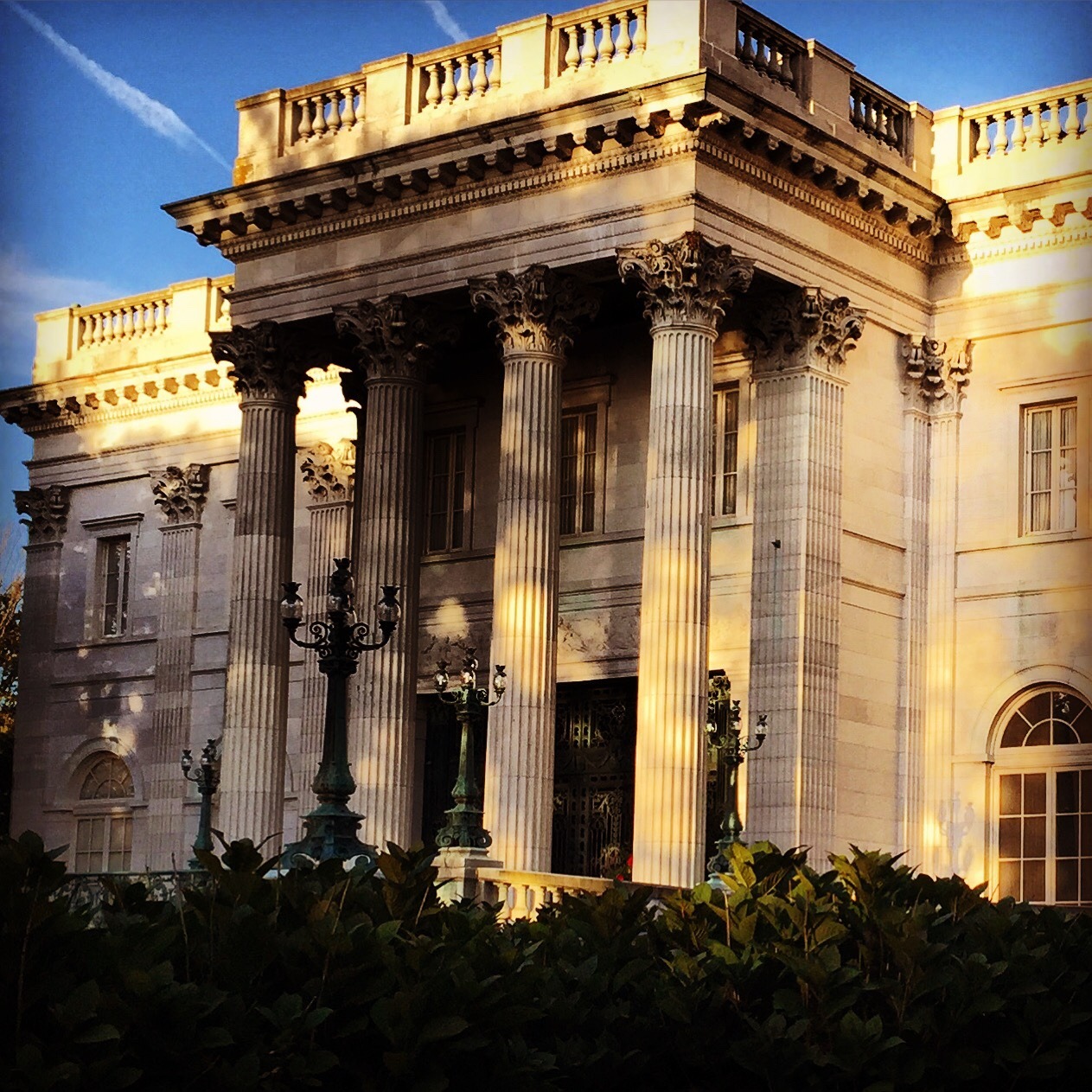
Marble House was built between 1888 and 1892 for Mr. and Mrs. William K. Vanderbilt, in Newport, Rhode Island. It was a summer house, or “cottage”, as Newporters called them, but Marble House was much more; it was a social and architectural landmark that set the pace for Newport’s subsequent transformation from a quiet summer colony of wooden houses to the legendary resort of opulent stone palaces. The house was designed by the architect Richard Morris Hunt, inspired by the Petit Trianon at Versailles. The cost of the house was reported in contemporary press accounts to be $11 million, of which $7 million was spent on 500,000 cubic feet of marble. Upon its completion, Mr. Vanderbilt gave the house to his wife as a 39th birthday present. In 2006, Marble House was designated a National Historic Landmark.
#newportfoodandwinefestival
#newport #rhodeisland

Modern life.
Providence, Rhode Island.
#rhodeisland #modernarchitecture

A heron’s nest tucked into Gooseneck Creek marsh in Newport, Rhode Island.
#newport #rhodeisland #newportwineandfoodfestival

It’s true I shamed him into taking me fishing. He tried to cancel the trip only a few hours before we were scheduled to depart, as I was the only taker for the afternoon excursion.
But I was not to be dissuaded.
I cajoled, reminding him conditions were ideal: the tides were right, and the calm seas now shrouded in a gauzy sheath of fog, providing a natural awning from the late summer sun. I bribed with bottles of Burgundy, a universal currency. I appealed to both his sense of guilt and decency, telling him of my long drive to reach the Mendocino coast, and noting his five-day cancellation policy.
Certainly I didn’t mention that fishing is actually the rum-soaked cherry on the sundae that is a road trip through northern California. The tangy aromas of fermenting grapes, resinous green bud, and pressed apples were woven into the quilt of colors from the many valleys: Napa, Knights, Alexander, and deep into Anderson Valley. Having newly birthed the grape harvest, the cooler clime hillside vineyards glowed wanly in the afternoon light, their floors littered with orange and red; the gnarled centenarian arms of the head trained vines bidding adieu to the year’s growing season. Trucks heavy with overflowing grape bins rumbled past an ancient apple orchard, where a lone fawn slept under the shade of a bearing apple tree, her legs cradled under her, surrounded by fallen fruit. In the far distance, a mountaintop is crowned in the ashen plumage of smoke, a sovereign fire’s dominion over drought-plagued lands.
A stop into the hip-hick town of Booneville yielded powdered Espelette peppers, an expensive linen apron, wheels of aged goat cheese, and paper bags of red purple barley, all produced on nearby farms by men and women escaping sub-urban life. A little further west resides The Apple Farm, a necessary autumn pilgrimage. The organic orchards grow dozens of varieties of apples, each piled in wooden boxes and laid with a knife for proper sampling. The tiny Wickson, of which I filled a bag, was a sweet-tart delight. The Baldwin, its seeds originally from the east coast, had a big crunch and bright acid. The cooler now loaded with quarts of hard and sweet apple cider, my old wagon was blown towards the coast in a blinding snowstorm of color, a gust of wind off the Russian River rushing through the trees.
Stretching my legs meant
pulling off from a road as meandering as a morning glory vine, and parking under
the dense canopy of an old-growth coastal redwood forest. Found from southern Oregon to central California,
and no more than 50 miles inland, the tree’s survival is dependent upon a
moderate maritime clime, the fog nourishing and protecting from drought. Astonishingly tall, the redwood’s treetop
needles, having greater exposure to sunlight, are tightly spiked to conserve
precious moisture, while the lower branches,
which hang in the shadows, grow flat needles to catch additional light. Their shallow root systems extend over one
hundred feet from a thick base, intertwining with the roots of neighboring kin,
increasing stability during strong winds and floods.
Within this most unsectarian of cathedrals, its daytime parishioners the squirrels and deer and birds squawk their gospels and tap their seeds against the thick boughs like a fevered Santeria chant. It was under this dreamy spell I walked, the sound of my steps muffled on a thick carpet of pine needles. My thoughts flashed to an auction catalogue through which I’d recently paged. Listed was a series of black and white photographs taken by Berenice Abbott (1898-1991) documenting logging and lumbering operations at the Red River Lumber Company in Northern California in the 1940s: men cutting gigantic trees, the redwood limbs sawed into lumber. The following few lots up for auction were a jarring juxtaposition: photographs from Ansel Adams (1902-1984), also depicting the mighty redwood tree, but its stunning form was instead celebrated and mythologized in a crisp black and white landscape.
Captain Kurt kept his word, even inviting a few of his buddies to join me for an afternoon of sinking weights, telling tall tales, and pulling up fish. A dizzying array of shimmering rock cod landed on the deck: enormous neon-orange Vermilions, the placid Blue and slimy Black Rockfishes; there are more than 75 different types living in our seas. A couple of large, greenish-hued lingcod, an ugly fish with great culinary pretentions, went home with each of us. The Point Cabrillo lighthouse never out of sight, we caught our boat’s too-generous limit in just a few hours. Even with a deep freezer in the garage, limiting out on anything harvested in the wild always feels greedy to me. Surrounded by dozens of fish, it’s too easy to treat them as commodity rather than precious resource.
Apparently, I’ve become the kind of girl who buys bags of ice and lottery tickets in small backwoods towns, my car loaded with the detritus of foraging trips: sweaters and sweatshirts, hiking boots, knives and salt, coolers, a few bottles of wine, pine cones, bags of sand shoveled from the beach for our strawberry plants, Arnica oil to soak my wearied bones, all-weather gear for fishing. At the Sea Gull Motel, my room’s doors and windows were opened wide to the grey evening, quiet but for a foghorn rumbling its warning to the unseeing. Laying newspaper on the linoleum floor of the tiny bathroom, I cleaned each fish, rinsed each filet, patted them dry, and laid them flat in plastic bags on a bed of crushed ice, the bones and heads lining the bottom of the cooler. Thankfully, the motel’s garbage cans were lined up on the curb for the early morning pickup; my crime of fishmongering en suite to go undetected.
Cleaned and scoured of scales, I pinched a lemon from the barman’s tray, rubbing it vigorously over my hands, trying in vain to remove eau de pescado from my fingertips. All afternoon, I watched with fascination as my new fishing buddies ate cold, fast-food hamburgers from an oil-stained paper bag. Eating even on the calmest of seas has never agreed with me, but now was I was ravenous. Offering the bartender a glass of the ‘96 Sanford Pinot Noir from the Rinconada Vineyard, which I’d been hording for my supper, I asked for his recommendations. The notion of fish for dinner utterly preposterous, a steaming bowl of deconstructed chowder was instead set before me. Tiny manila clams in their shell, hunks of chewy pancetta, tender cippolini onion, and the last of summer’s corn kernels and squash blossoms floated in a shallow broth of sweet cream and clam jus. Finished with chive and garlic flowers, the lipstick and handbag of the culinary world, I dunked crusts ripped from the too-doughy housemade bread until every bite was gone.
#mendocino #fishing #fish #rockcod #roadtrip #california #californialiving

Pacific King salmon caught off the coast of Mendocino, California
#california #fishing #salmon #mendocino

A break in the fog.
#california #mendocino #coastal
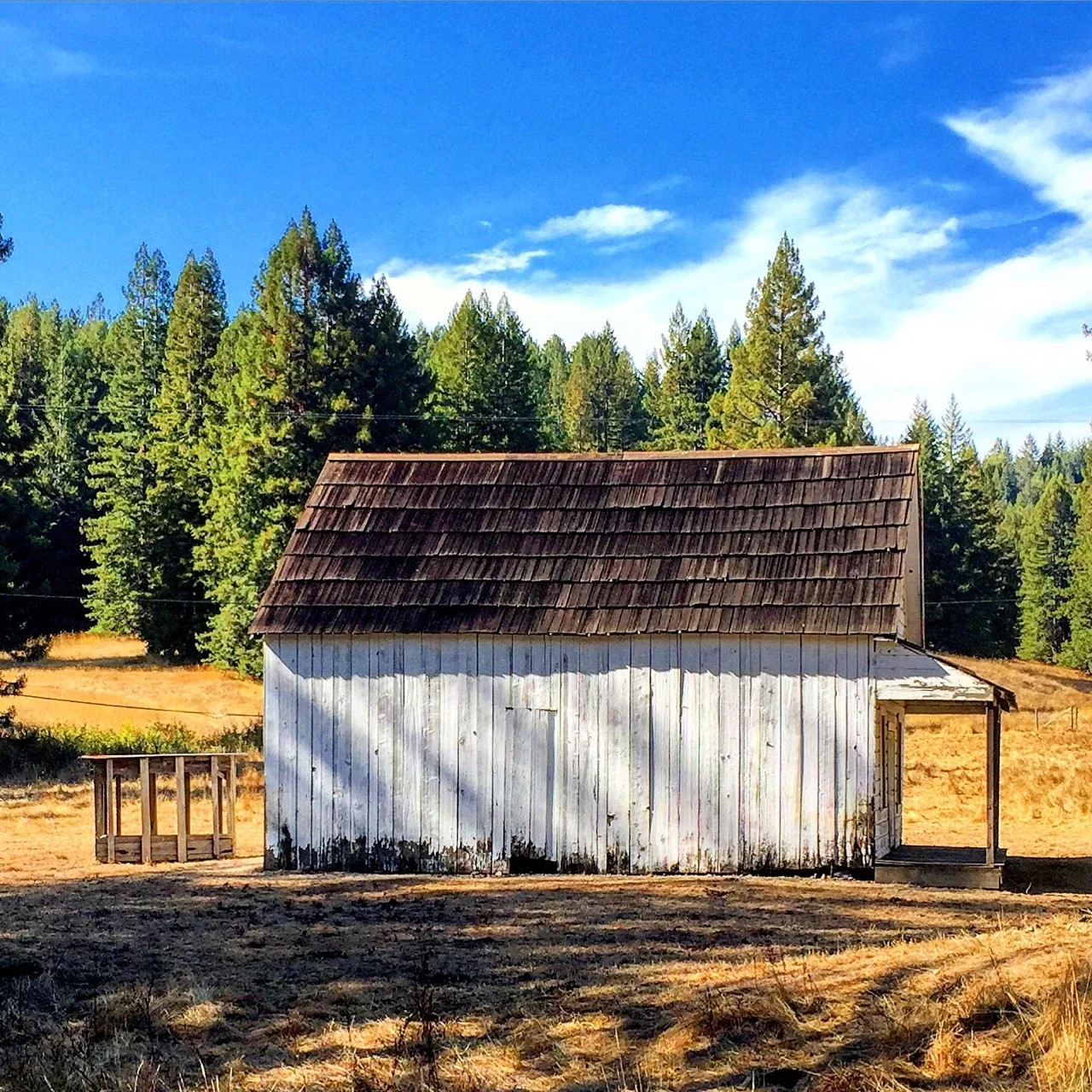
A peaceful backroad.
Mendocino, California
#mendocino #california

California redwoods.
Mendocino County.
#mendocino #redwoodforest #california

Heirloom Fair.
Sonoma County, California
#california #heirloomseeds #sonoma #harvestfestival

Arose with gratitude to a Parisian pink sky early Saturday morning and ordered a strong coffee and croissant to the room. In an effort to avoid the stroller set and midday tire kickers, I had only the briefest of breakfasts, strapped on my most comfortable of shoes, and caught a cab for Porte Clignancourt, an enormous flea market on the outskirts of Paris.
Properly known as Les Puces de Saint-Ouen, but commonly known as Les Puces (The Fleas), the market has its roots in the late 1700s, when rag-and-bone men roamed the neighborhoods of Paris, scouring garbage piles and back alleys to unearth rags, bones, metals and other junk to clean and resell. Also referred to as pêcheurs de lune or moonlight fishermen, these men would hunt and pick at night and set up temporary stalls in sketchy neighborhoods to sell their finds during the day. After the outbreak of cholera in the 1830s, markets were banned in Paris, which was followed by a period of aggressive urban planning, driving the crocheteurs or pickers to the outskirts of the city. They found refuge near the city gates of Kremlin Bicêtre, Montreuil, Vanves, and Porte de Clignancourt.
It was within the corridor separating Paris from the town of St.-Ouen that the Cligancourt flea market began, the authorities there taking measures in 1885 to make it safer and cleaner. While streets were paved and walkways created, the traders created groups of stalls to attract customers, and by the turn-of-the-century, Parisian collectors and antique dealers were picking from the pickers. The area provided the additional benefit of being a duty-free zone, exempt from Paris taxes as it was outside the city limits.
Men such as Monsieur Romain Vernaison, who owned acreage in Cliganacourt in the 1920s, transformed the rag-and-bone shantytowns into covered marketplaces with hundreds of stalls. Next arrived an Albanian prince, who opened Malik’s Marketplace, specializing in second-hand clothes, old uniforms, helmets, and cameras. Off the main drag of rue de Rosiers lie dozen of other markets: Marché Malassis, (toys, vintage cameras and furniture), Marché Dauphine (furniture, ceramics), Marché Biron (quality furniture, glass and giltwood), and Marché Vernaison (fashion, books, prints and kitchenware). Rents increased dramatically as antique dealers moved in next door to the bric-a-brac salesmen, eliminating the dumpster-dive vibe almost entirely. After the French Liberation, the opening days were set in stone: Saturday, Sunday and Monday.
But I had only Saturday to shop, the worst day to negotiate and the biggest surge of crowds. The market gets trampled by 120,000-150,000 people from around the world each weekend; some dealers, some shoppers, some thrill seekers. But there’s no thrill in elbowing past thousands and thousands of people, no matter how special the piece or inexpensive the price. As it’s the largest antique market in the world, with more than 2,500 dealers spread across more than 17 acres, I had to strategize my day.
First stop was to visit Isabel, an older, elfin French woman who specializes in tools from the 18th and 19th century. She has pickers scouring the French countryside to source her pieces. She explained she’d like to shop for her own finds, but the old men with the goodies won’t sell to her, not because she is a woman, but because she’s Parisian. Her walls bowed under the weight of ancient leather-making and woodworking tools, butchering equipment, cooking utensils, and winemaking apparatus. Iron and wood are her stock in trade, which appeals to my East Coast primitive aesthetic. After warm greetings, I quickly made decisions: a cheese cutter’s double-handled knife, a butcher’s saw with an unusual oak handle, several heavy meat cleavers, a glass wine thief, a carbon steel fileting knife, wood boards and bowls, a meat scale, and an apiarian’s knife with a lovely patina, owing to its years being conditioned by honey.
Isabel had the day to write my invoice and wrap my treasures for travel, as I dashed off to my next stop with a promise to return later. Hurriedly, I walked several blocks past shops displaying heavy art deco furniture, leather club chairs, and gaudy gilded mirrors. Waiters in black and red jackets, smoking cigarettes with the mild annoyance perfected by the French, were setting tables on sidewalks for the midday lunch break, still a blessedly sacrosanct Gallic tradition.
The open-air Marché Paul Bert, one of the two markets owned by the Duke of Westminster, is a favorite roam. Once I passed through its gates, I hit my breaks, took a deep breath to get into the zone, and put on my foraging eyes.
A porcelain rabbit terrine with glass eyes dating to the early 1900s was hard to refuse, and I negotiated hard for a moody oil painting of hanging game birds that I’ll keep for myself. Into my market bag, now bulging with booty, went weighty deco soup spoons, forged iron meat hooks, unusual glass plates for serving mussels, and copper canelé molds for baking the special cakes of Bordeaux. A pair of chairs piqued my fetish for Finnish furniture, and I couldn’t resist a French industrial table lamp with a swinging pendulum, which will grace my desk. Suspecting the large advertising sign for vermouth was a reproduction, it remained on the shop wall, but the candlesticks made from wild boar hooves trotted home with me.
Come lunchtime, the dealers set up tables in their shops and stalls with spreads worthy of a Cote Sud cover: crudité and charcouterie, cheese and fruit, baguettes and shared bottles of inexpensive French wine poured into chipped ceramic cups. Old linens were pressed into service and the aroma of strong Gaulouises’ cigarettes laced the warm, late summer air. Sartre’s spirit was alive and well at these quintessentially French tables: the notion of authenticity and being true to one’s internal flame despite outside influences; of being wholly responsible for giving one’s life meaning and living it fully; of coming to terms with the material world.
My wallet was empty of euros and my credit cards scratched from use. With more than 11 million bargain-hunters combing through the market annually, the dealers are accustomed to the intricacies of doing business with Americans, Brits, Indians, Russians, Chinese, and Japanese alike. Struggling with both the exchange rate and the costs of shipping, the pencil with which I negotiated was sharpened to a razor’s edge. And even though most shopkeepers spoke English, my lack of fluency in their language did little to endear me.
But none of us were here to make friends.
My head was swimming with numbers and unfamiliar words and haunting images of pieces not purchased, and my shoulders ached from hauling loaded bags. I collapsed onto a rattan chair at an empty table at Paul Bert, a bustling restaurant at the gate of the market. The same surly waitress who always treats me with great disdain didn’t disappoint, managing to completely ignore me even as she brought me lunch.
Understanding the inevitability of my return to Isabel’s shop to settle my substantial tab, I ignored my usual edict of no wine midday and ordered a carafe of rustic Bandol to accompany my lunch, the house special. A very large cast iron tureen of steaming onion soup was set before me. Served with a bowl and ladle, it was thick with knots of cipollini rings, silken beef stock, hunks of chewy, day-old bread, and handfuls of grated Gruyere, gooey and browned. The whole mélange was topped with a raw egg, which cooked in the bubbling liquid, binding the flavors together.
As the French consider it rude to drop a check on a dining table before it’s requested, I lingered over an espresso, a chocolate pot de crème, and the secondhand smoke blown in my direction by the young girl sitting behind me. It’s easy to understand why Clignancourt’s flea market, Les Puces de Saint-Ouen, which celebrated its 100th birthday in 1985, was declared a protected architectural heritage site. Both aesthetically and spiritually, the French are adamant about protecting their inimitable way of life.
#france #parisfleamarket #clignancourt #paris #culinary #inthespiritofsartre

Kohlrabi.
#rootvegetable #eatitraw #kohlrabi

The customs officer at the small modern airport in Puerto Vallerta eyed me up and down, his pressed official blue uniform thrown off-kilter by three-day stubble and dirty fingernails. Piecing together his gestures with a couple of words snatched from his rapid-fire Spanish, I gathered he wanted to know the contents of my luggage, which included a densely taped brown shipping box. Reflexively, the top of my lip broke into a sweat, flushing through my entire body until my linen dress was soaked.
And this time I wasn’t even carrying. I mean, who brings smoke into Mexico? If anything, it gets shipped ahead along with the fishing poles. In halting Spanglish, I explained the luggage contained bathing suits and sarongs, a couple dozen back issues of the NYT Sunday Magazine, several different soy sauces, fileting knives, sesame seed oil, Japanese chili powder Shichimi Togarashi, a sharkskin grater (for the undeclared wasabi root), a loaded tackle box, a canister of Jasmine Pearl tea, a jar of honey, a good bottle of Tuscan olive oil, and a case of wine.
Ah, yes, the wine. At the mention of the word, the officer’s bushy black eyebrows shot up towards an awning of poorly trimmed bangs shading an enormous forehead. Yes, indeed, he needed to collect duty tax on the wine. How much was each bottle worth? A few pesos paid on a Visa card and we rolled out of the terminal into a brightly colored wall of blazing heat leaden with thick, unyielding humidity that wilted me like a Mexican dahlia in stale water. The waiting van, its windows lacy with condensation from the blasting air conditioning, provided welcoming shelter. Icy mini-bottles of Mexican beer were fished from the depths of a red plastic cooler resting on the front seat, their petite size ensuring each of the three gulps cold and refreshing; a fine introduction on how to beat the unrelenting heat.
Stopping at a roadside stand, we sipped coconut water from its shell, the hard exterior opened by a grinning, machete-yielding boy, a tree trunk his butcher block. An old woman, deeply lined and sporting a stained red bandana around her neck nodded in my direction, offering slices of warm mango, its resinous-sweet nectar ripe, juicy, sexual.
We selected papayas and watermelons and loaded burlap sacks with local sea salt, both fine and coarse. Bags and bags were filled with tiny limes the size of golf balls, their distinctive green juice to flavor our morning tea, afternoon margarita and evening ceviche.
The small coastal surfing town of Sayulita is dressed in the colors of the sun; dayglow pink stairwells lined with cacti and succulents; thickly stuccoed walls painted orange and yellow; a quiet corner blooming with magenta bougainvillea and elaborate birds of paradise, their plumage rivaling an Isabella Blow chapeau. Sayulita’s dense air is punctuated with aromas of jasmine flowers and the brine of the omnipresent Pacific Ocean, as well as an unctuous, fetid decay; the humid heat rotting food into garbage with surprising rapidity.
Bringing pyrotechnics
rivaling those of a Kiss concert, a spectacular thunderstorm blew in from the
north in the early evening, pulling the plug on the town’s electricity. Lightning strikes lit up the ocean as if
midday, confusing the sea creatures below, while rolling thunder bounced off
the mountains, its claps even silencing the chatty Chachalaca birds residing
in the nearby jungle, their never-ending banter oddly reminiscent of my
mother-in-law.
Over the blaze of candlelight and sips of Don Julio tequila, we optimistically rigged our fishing poles with heavy nylon monofilament line, hoping to score a good fight with a dorado (mahi-mahi), red snapper, roosterfish, or bonita, all of which roam these waters. We debated lures while attaching iron weights and hand-forged, Japanese carbon steel hooks to our lines. As we tied knots, I wondered how different our evening preparations were from those of the local fishermen one hundred years ago. At the turn of the century, fishing line was made from silk, linen and cotton and had to be carefully unspooled after returning home from a day’s work to be washed and laid out to dry thoroughly in order to prevent rot. But then again, maybe our evenings were not that different: I’d bet many of them threaded their fishing poles by candlelight in between sips of the local hootch while arguing about the best methods to hook fish.
Strong coffee in hand, we set out before sunrise. Captain Enrique, a native who’s fished the Pacific from Central America to Alaska, tied up his comfortable fishing boat to a panga floating quietly on flat waters just outside the harbor as first light dawned. Barely bigger than a Boston Whaler and a whole lot less posh, the panga is an open, modest-sized, outboard-powered fishing boat common throughout much of the developing world, without a cover to shield its passenger from the unabated sun and pounding heat. The man aboard the panga had been jigging all night to catch the small baitfish Enrique now bought. As we motored away, he explained it’s very common for one or two men to navigate a panga one hundred miles or more into the open ocean to hook tuna and sailfish with nothing more than a line and a club, tossing the large, capricious fighters into a huge ice chest on the floor of their small boat.
Noiseless pods of porpoise and dolphin greeted our morning, their skin the color of wet slate and as slick as a Brylcreemed salesman. Hundreds of schools of small fish literally jumped out of the water to be feasted on by sea birds, who picked them out one by one, and pelicans who gobbled up as many as their cavernous maws could manage. We slowly trolled the waters, lines kept long to bob along the surface, while making our way to deeper seas. We fished reefs and rocky outcroppings, dropping weighted lines into bottomless clear waters.
Our haul was insignificant,
yet generous enough to provide dinner.
We fileted three, smallish yellow jack and two very handsome
triggerfish, their skin as tough as rubber and stubbornly resistant to the
newly sharpened knives. Fish bones were
put into a stockpot and covered with water and wine, creating the rich base for
a fiery fish stew. The filets were roughly chopped and tossed with finely minced red serrano and orange habañero peppers, sweet white and spicy red onion, a mound of
fragrant cilantro, sea salt, and the juice from a dozen limes. We fried fresh corn tortillas made in town earlier
in the day by a young woman with a nose ring and Tibetan tats. Sunburned and salt crusted and still slightly
rocking from being out at sea, we sat silently in the twilight, listening to
distant thunder, and scooping up mouthfuls of spicy ceviche with the crispy
chips, cooling our burning lips and tongues with cold Pacifico beers and
margaritas on the rocks served in glasses a Mexican Marie Antoinette would
appreciate.
#mexico #sayulita #fishing #fish #ceviche

Picnic. Boothbay Harbor, Maine.
#maine #boothbayharbor #summertime #lobsterforlunch

Goldenrod.
Boothbay Harbor, Maine.
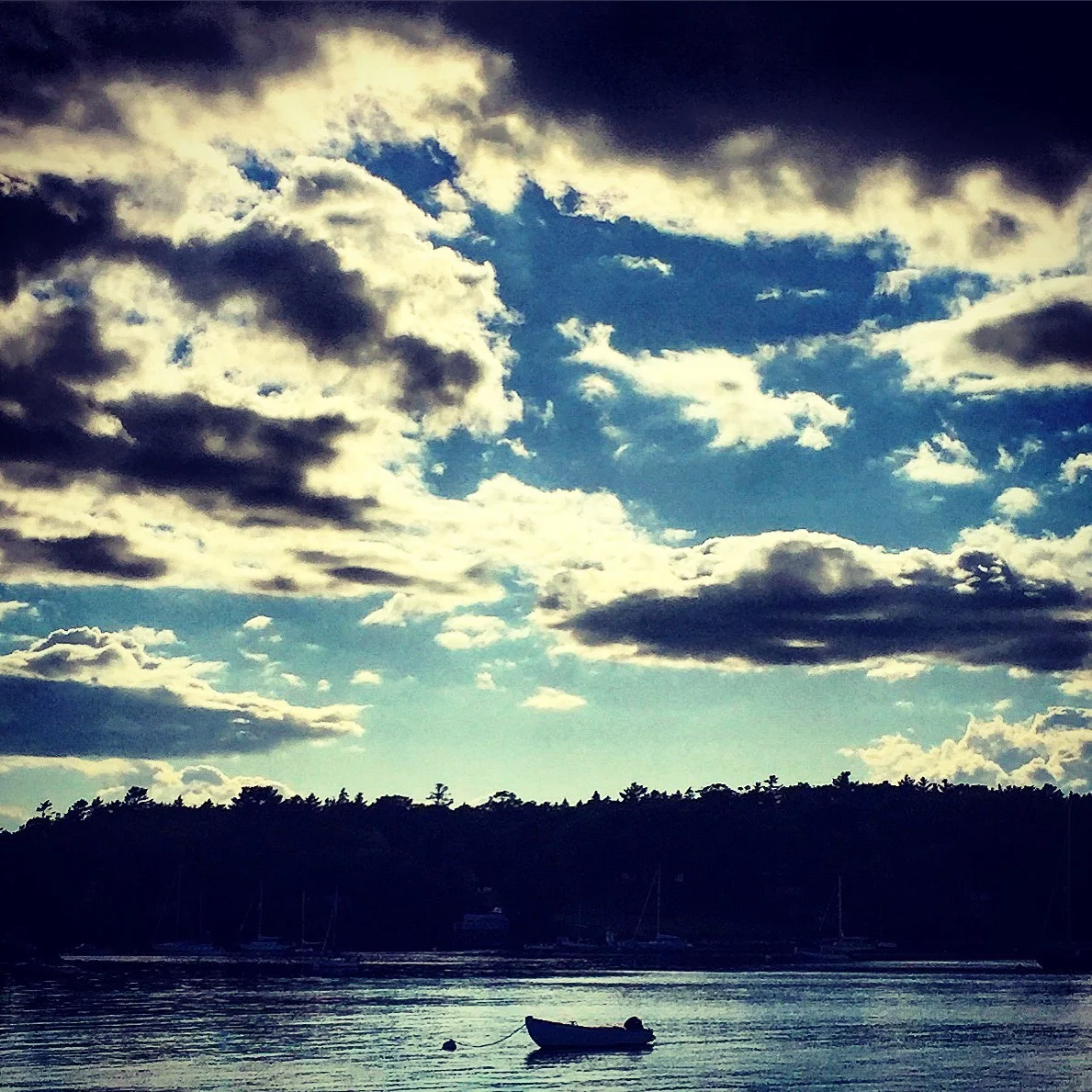
Afternoon light.
Boothbay Harbor, Maine.

Pancetta has finally finished its curing.
#pork #curedmeat #pancetta #butchering
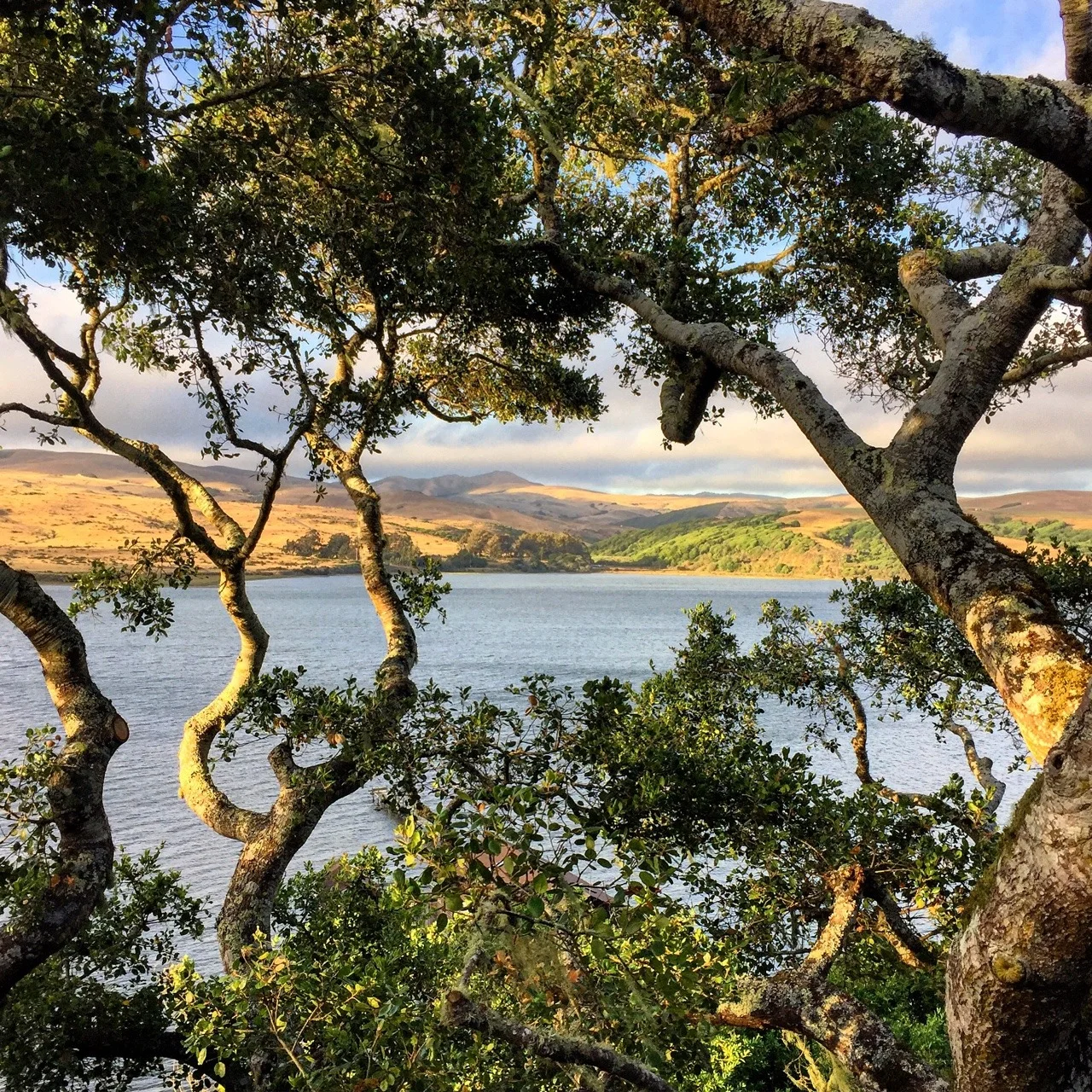
Tomales Bay.
Inverness, California.
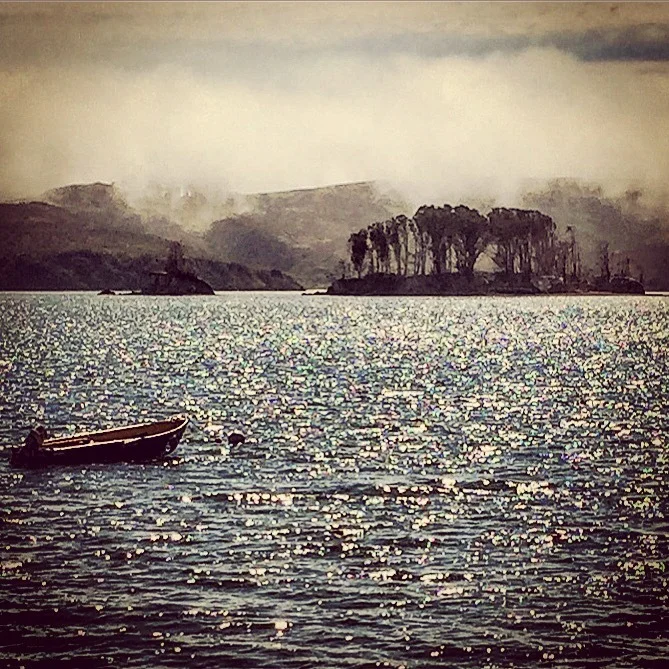
Hog Island.
Tomales Bay, California
#oysters #oysterbed #californialiving