

Still life.
Bolinas, California
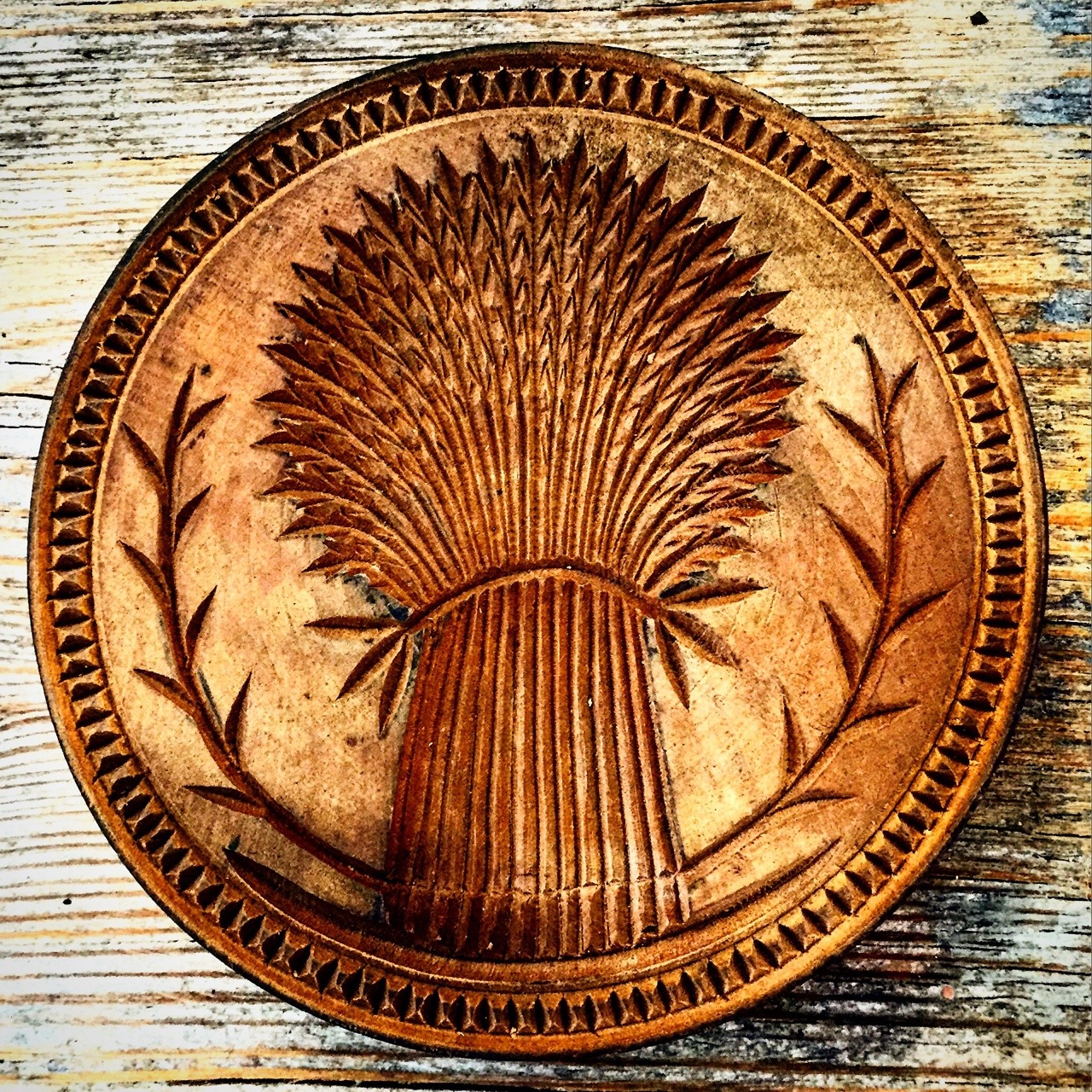
Butter stamp.
Carved oak.
American, late 1800s.

It was a huge hirsute blanket quilted from dozens of silken rabbit pelts on which I was deflowered. The dreamy dichotomy on my skin of course beard and velvety blanket still floods me with warm, sticky pleasure.
It was desire yet again that led me to rabbits: specifically to a strip of scrappy row houses in the bowels of Oakland for the most sublime rabbit rillettes. As I approached my destination, dirty ribbons of freeway overhead provided the white noise of our collective hurried insanity. A few blocks to the east lies a recycling center and the same number of blocks to the west, a scrap yard; the vague venting of grinding metal adding to the bleak din. A burnt, industrial smell from the nearby ports clung to the grayish haze like the tattered lining of a smoker’s pea coat.
Varying shades of humanity with glazed eyes and manic energy pushed pinched shopping carts over potholes in the sidewalks, the red plastic nameplates of their rightful retail owners banging against the scuffed metal baskets where toddlers once sat, their fat legs protruding through the gaps.
Smack in the middle of the block sits a small forlorn house and its tiny driveway surrounded by a high chain-linked fence, a metal-mouth of braces safeguarding a bright smile in the midst of crookedness and blight.
The house’s wood floors, stripped by hand and lightly stained, shone in the late morning sun; vintage furniture bore fine lines and the scattering of art hung by a honed eye. The generous kitchen was anchored by an antediluvian commercial stove, a black behemoth scored on Craigslist and helmed for decades by various captains of their canteens. Glass jars filled with dried herbs, oils, and spices lined the counters, and a row of good carbon steel knives stood at attention, affixed to a thick magnet mounted on the wall.
We pushed through to the back of the house and down a rickety, rotting staircase to a long, narrow garden. Wooden beds set in bark paths overflowed with herbs and flowers and lettuces gone to seed. Propped against the fence were bee boxes painted a long faded robin’s egg blue, producing gallons of wonderfully distinctive honey (for which I trade decent Barolo to lavish on my morning’s tea).
At the end of the garden, butted against a concrete wall resides a chicken coop built on stilted legs and overflowing with straw. Across from the poultry was a large cage, its several levels housing a dozen fat, well raised, Florida White rabbits.
As we fawned over the rabbits and marveled at their albino red eyes, it was explained to me that these small mammals reside in the family Leporidae of the order Lagomorpha. All of the eight different genera classified as rabbit are herbivores, subsisting on a diet high in hard-to-digest cellulose. Cattle and sheep, also herbivores, chew their food, regurgitate it, and re-chew the cud, making it easier to digest. Rabbits, however, utilize hindgut fermentation, passing two types of feces: a hard dropping, and later, a softer black pellet made up of microorganisms and undigested plant cell walls. Also called a caecotroph, the soft pellet is immediately eaten. This double digestion allows the bacteria in the pellets to fully process the plant carbohydrates, enabling the rabbit to extract all of the nutrients.
While they can be found in many parts of the planet, more than half of the world’s rabbit population lives in North America.
Minus two.
We chose two males, their fur as thick and sensuous as the hair on a young lover’s head. We made haste to the basement, where we gave our thanks and quickly broke their necks, their deaths immediate. They were then strung up on a small jerry-rigged gambrel to bleed out and be skinned and eviscerated; the blood and guts returned to the garden as compost to begin the lifecycle once again.
Rillettes: the word trips off the tongue. Similar to pâté, rillettes were originally made with pork, but rabbit, bird, and fish are now often made into this decadent treat. The meat is cooked in seasoned pork fat until terribly tender, pounded into a paste, packed into small pots and covered with a thin layer of the fat. A thick spoonful spread across a crusty butt of hot country bread, pain de campagne, makes one believe in the superiority of the French; they grok the gastronomic harmony of fineness and rusticity. Dishes prepared for kings made from whatever the land afforded.
And while the recipe for rillettes is different in each region of the France, Anjou and Touraine are noted for their fine spread, usually made from pork, often molded into the shape of a pyramid and topped with the pig’s tail. God help you, if you are the guest of honor.
In a heavy cast iron pot, we rendered two pounds of pork fat in a dribble of olive oil, adding cubed smoked bacon and roughly chopped mirepoix, just barely browning everything before adding a coarse pestle of black pepper and sea salt. With a heavy cleaver, we split the two rabbits into quarters and laid them to rest in the pot, adding thyme and a bottle of French white wine, an Arbois worthy of a half-glass before lunch. The entire medley was covered in a dense chicken stock before being blessed with a fresh bay leaf and lidded tightly; set to roast in the oven until fragrant, the meat falling from the bone.
Rabbit and wild hare hang from hooks in London’s markets next to braces of game bird in autumn, and are easily found in butcher’s windows and cases across Europe. In Morocco, rabbit is cooked in tagines with raisins, in Italy it’s often stewed with garlic and green olives, and in China’s Sichuan kitchens, rabbit is made spicy and fried. Leaner than chicken, pork and beef, rabbits are labeled as fryers (4.5-5 pounds and up to 9 weeks in age), or roasters (over five pounds and up to 8 months old).
Once the pot was removed from the oven, and the rabbit only mildly searing to the touch, we removed the meat from the bones, chopping half and pulsing half. The vegetables and fat were strained from the liquid and puréed, while the liquor was reduced to a mere quarter of itself. Half of this silky rich reduction was combined into the vegetable/meat mixture and pulsed together, then combined with the chunky chopped meat. We packed the mélange tightly into ramekins and topped each with the remaining half of the reduced liquid, wrapping them tightly and hiding them in the back of the freezer.
Never am I able to sit down to a meal of anything I’ve harvested on the same day I took it for the pot. The stink of death from the fish, pig, lamb, cow, or bird I’ve slaughtered still lingers on my fingertips and remorse needs at least a day to resolve into gratitude.
Cobwebs were swept from a wicker basket’s interior before being lined with rough antique linens. A crock of stone ground mustard, a loaf of sesame wheat bread pulled from a wood fired oven, and a jar of pickled baby vegetables were all cradled next to a bottle of Dujac’s Morey St. Denis older than my ancient cat. In the center was tucked a rather large ramekin of the rabbit rillettes, a frozen meat pop sure to be the ideal temperature once unwrapped on a quiet stretch of West Marin beach.

Dungeness for dinner. (at Bodega Bay, CA)
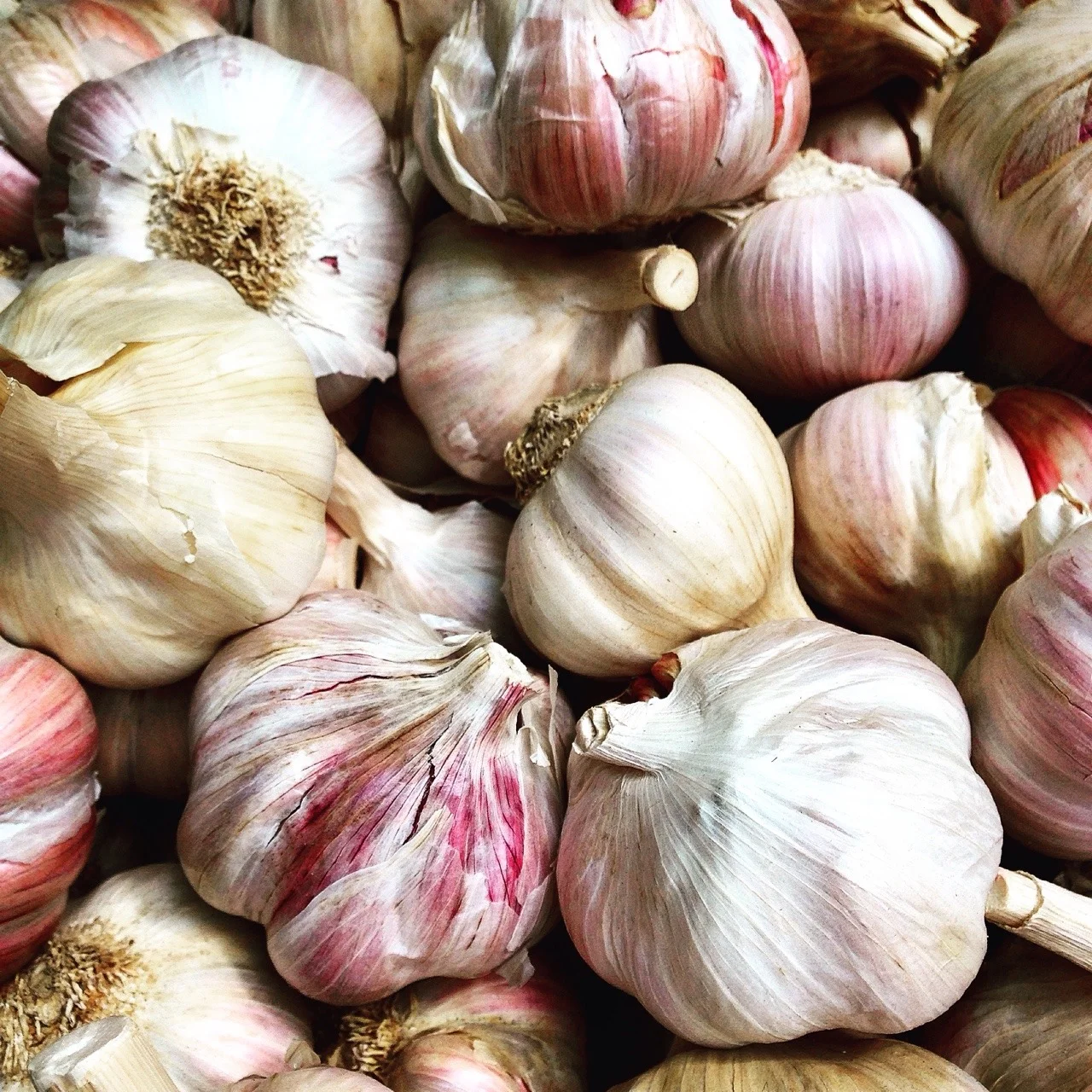
A classic hardneck garlic variety named for its place of origin in South West France, ‘Lautrec Wight’ is widely regarded as France’s finest garlic producing very pretty bulbs with white outer skins and deep pink cloves.
#london #england #boroughmarket

A Paris street scene.
#paris #france

Drunk on life.
A Paris street scene.
#paris #france #marais

Gelato on the Ligurian coast, Italy.
#italy #liguria #gelato
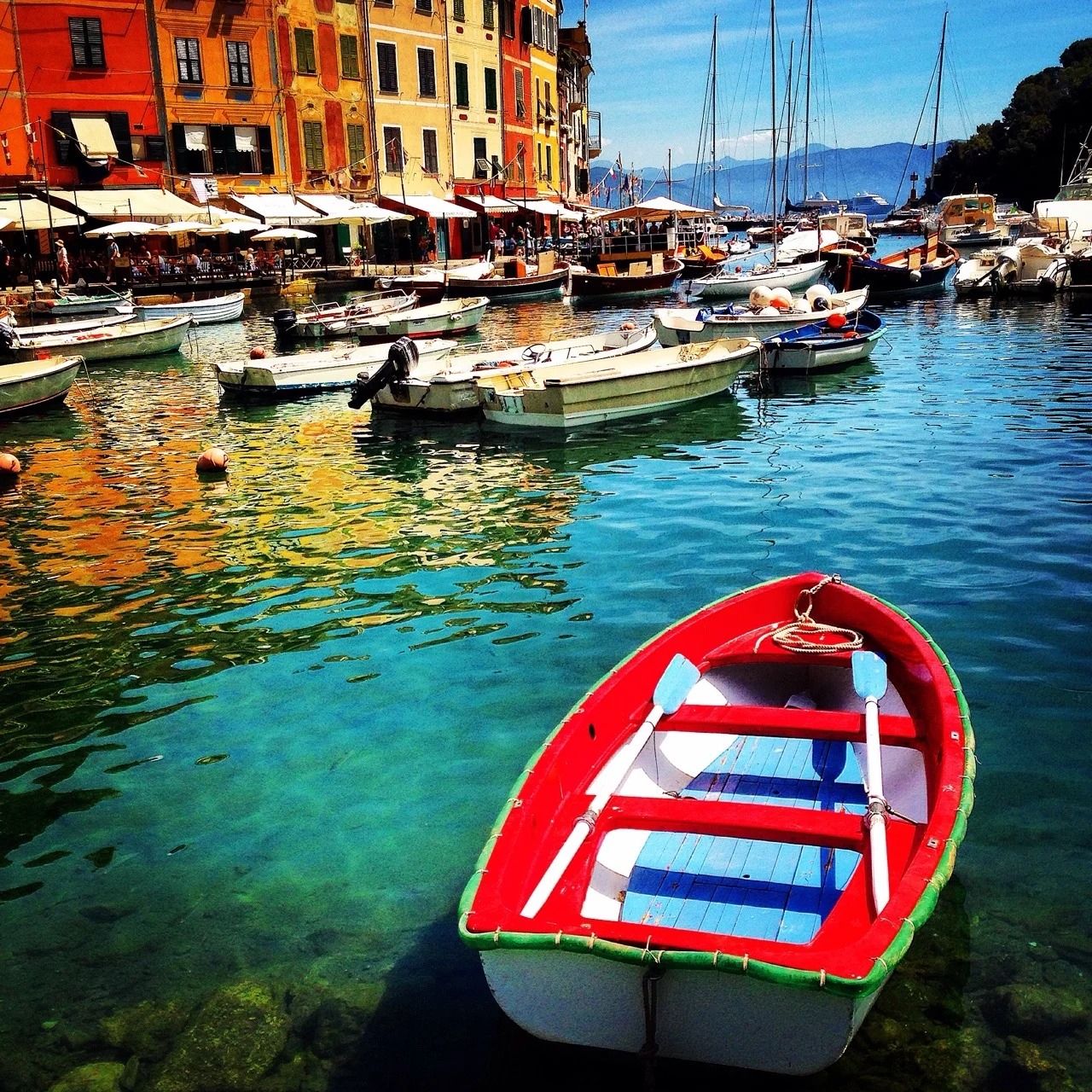
Portofino, Italy
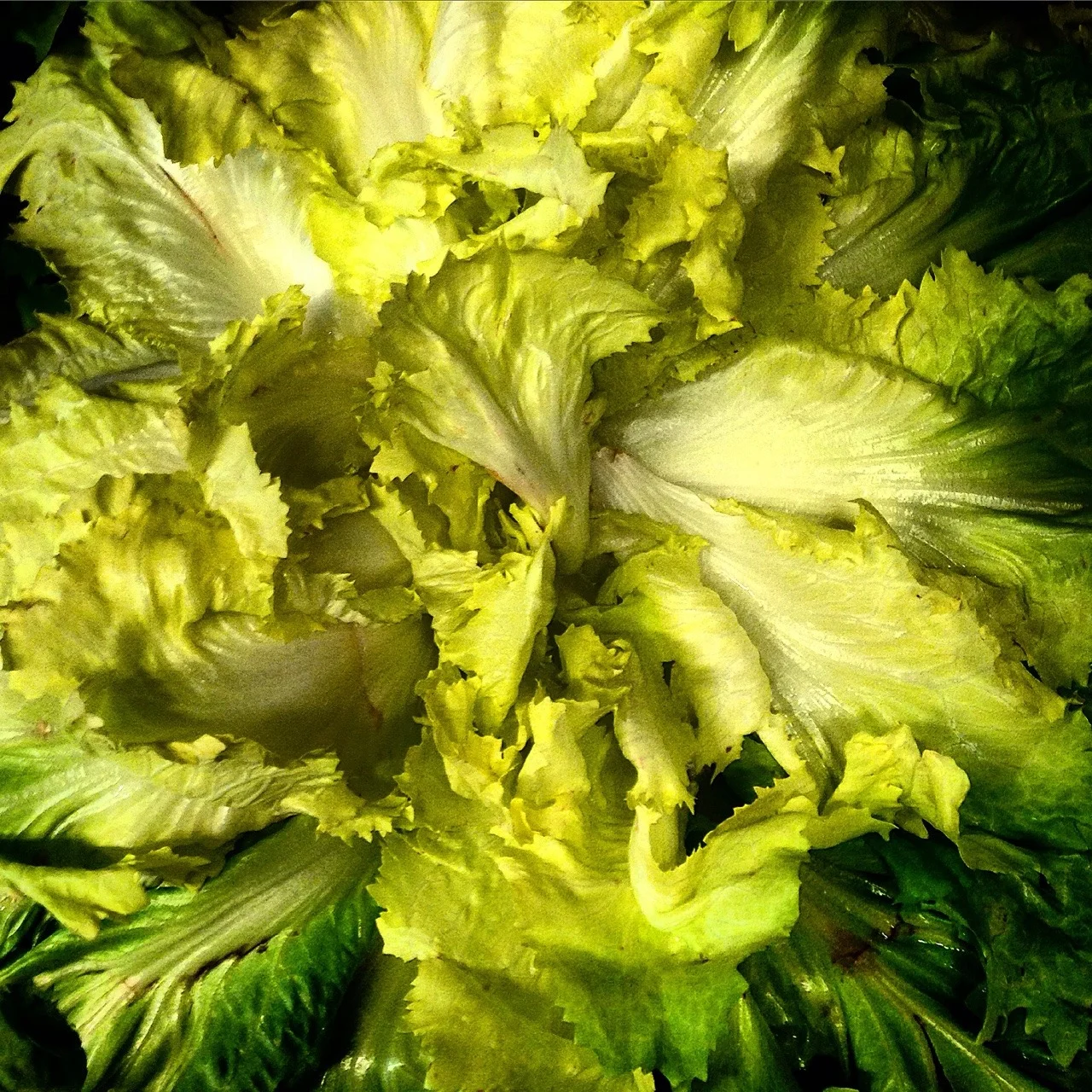
Chicória de Italia

Dusk over the Ligurian coast. (at Cinque Terre Region, Italy)

The wind made me nervous. Since the only things I’ve ever smoked were first rolled in a thin sheath of paper, it would’ve been prudent for me to wait until all conditions were ripe, until the gusts had died off. But I’m my mother’s daughter; patience is not our way.
The nearby farm had agreed to my request, slaughtering the thoughtfully reared Berkshire pig at a whopping 310 pounds, its girth guaranteeing a thick layer of pearly white back fat, perfect for swaddling pancetta.
And for producing thick slabs of smoky bacon.
I unearthed from the back of a cabinet the small, precious, elaborately calligraphed box of Binchō-tan, a traditional Japanese charcoal. Made from urbame oak, the official tree of the Wakayama Prefecture, this special charcoal has been produced since Japan’s Genroku era, in the 1600s. Bitchū-ya Chōzaemon concocted this charcoal by burning oak branches at extremely high temperatures for several days and then rapidly cooling them. Harder than ordinary charcoal and about the size of a middle finger, Binchō-tan burns at a lower temperature for a longer period of time, inveigling me to use it for smoking food.
A forearm-thick hunk of pork belly had been curing in a slush of brown sugar, pink curing salt, cayenne, and black pepper for days beyond its recipe, working its magic into a rectangle of pork the size of a license plate.
In an massive yellowware bowl, wood chips and dried branches pruned from Sonoma’s organic apple trees soaked in water, while the Binchō-tan charcoal was placed on a small pan in the bottom of an old metal smoking box, each piece producing a distinctive chime as they clinked against one another, toasting their service to my gastronomical call.
With sooty fingertips, I ripped a Strike Anywhere match against a patio brick, lighting the charcoal with a few shreds of the Sunday paper, watching the grotesque headlines alight and disappear into smoke. The hot ash blew around in the wind, settling near the garden hose, my suburban line of defense.
The pan above the charcoal was filled with water to slowly boil, its steam providing moisture to the meat splayed on the racks above. Tending the fire, I added an occasional piece of Binchō-tan and scattered handfuls of the wet wood onto the ash-white coals, which hissed displeasure at the dampening intrusion. For several hours, the smoke whirled its fragrance deep into the lardaceous flesh, their vapors kindred with a woman of a certain age, who seduces with a dab of perfume rather than the callow cloud of eau de toilette.
More focused on smoke than temperature, the box never heated above 125 degrees, leaving the pork decidedly uncooked. Finishing the bacon in the oven for an hour and a half at 200 degrees filled the entire house with aromas of sweet smoke and pepper. Now well after 10pm, we spoke briefly of waiting until breakfast to try the bacon, all the while walking purposefully towards the kitchen. Without further conversation, a small pot of water was hit with a good glug of oxidized Chardonnay and a shake of black truffle salt and set on a low flame, readied to poach eggs. Stalky, late-in-their-season bitter greens were clipped from the garden, chopped finely, and wilted with spring garlic and pepper flakes from a dozen varieties of make-me-cry hot chilies, hoarded and dried each autumn. A cast iron skillet brushed with porky pan drippings was laid with thin strips of Pumpernickel bread, liquid sunshine burnishing the black. As a tall bottle of Saison Dupont ale was split between two glasses, the pork was cut into Canadian bacon-like slabs and nestled next to the pile of greens and eggs, the toasted soldiers glistening from their watchtowers on the parameters of our plates.
#bacon #smokedfood #baconisafoodgroup #smokingfoods #delicious #Binchō-tancharcoal

Ranunculus.
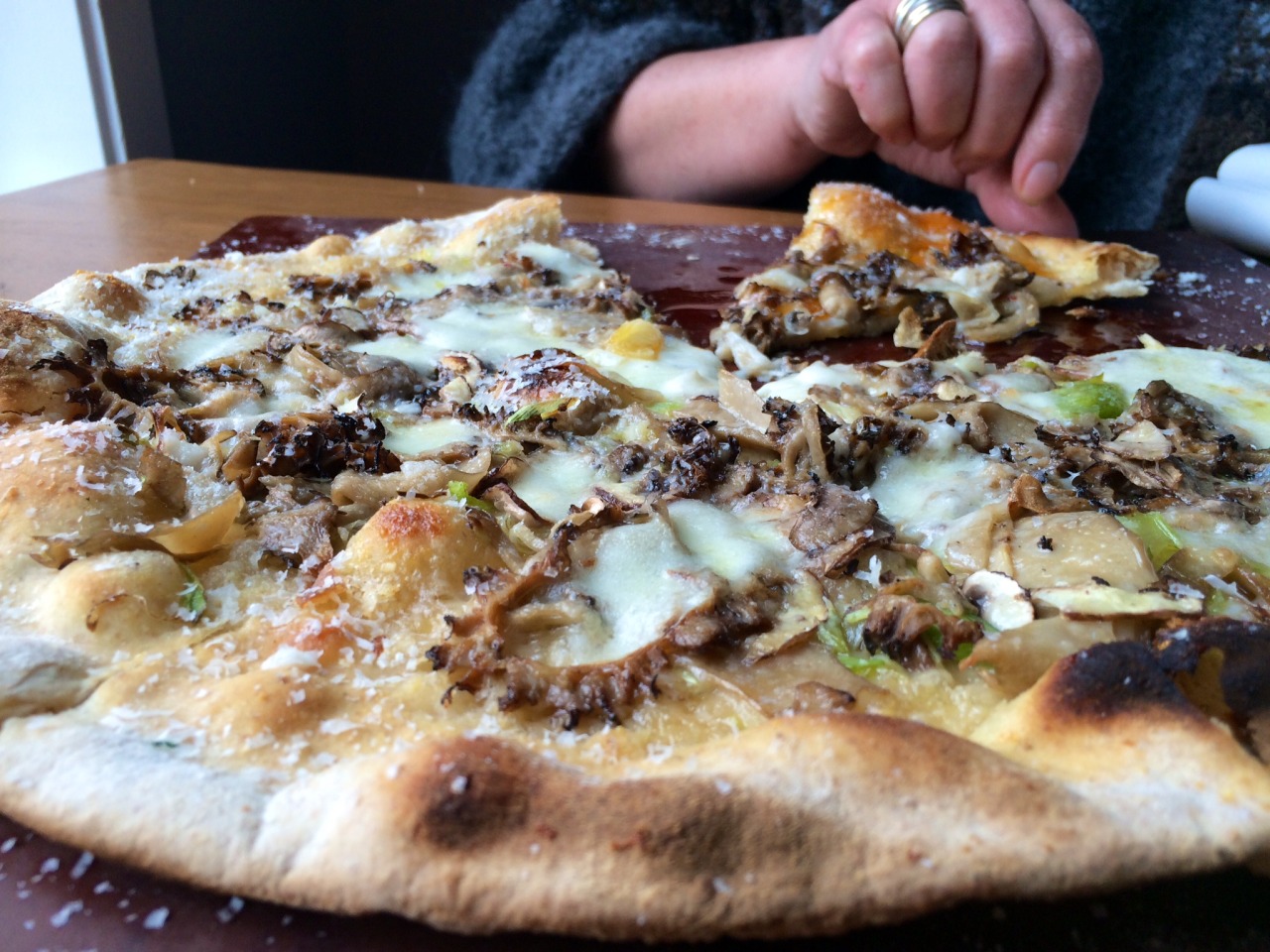
She warned me in a rather snotty manner that it would cost more money. I peered at her over the top of my eyeglasses, dramatically setting aside the Sunday Styles section of the paper in which I had been so thoroughly absorbed.
“Then it better be a damn fine pie.”
A standing mid-week lunch date provided an excuse to drive the long route through the Napa Valley, over the hills of Calistoga and into western Sonoma, eyes peeled for hawks, budding vines, and spring wildflowers. Seersucker blue skies were striped with heavy silver clouds, inciting our giddiness at the possibility of rain falling on drought-plagued soils.
Before stocking up on Sonoma’s bounty (honey from an on-your-honor farm-stand, a couple quarters of Blue Dream from the happy hippy clinic, and several bunches of broccoli rabe from nearby fields), we hunkered down for lunch. The modest, glass-enclosed dining room faced a large open kitchen, which spoke to cooking rather than preening, its shelves lined with mason jars containing colorful herbs, spices, fermentation projects, preserves, and various grains. A stout woman with long dark hair rolled out dough with her thick hands, while two lanky men manned a large stove, practiced acrobats maneuvering banged-up skillets between all eight burners.
Our heated, ripped-from-the-headlines discussions about the Middle East, corruption in Congress, and the plight of California immediately ceased as plates were set before us. Setting aside both the Week in Review and our wildly differing opinions, I reached for the bottle of house-made chili oil, infused to the color of our state flower.
Fresh spring morels, of which I had requested extra, were foraged the day prior from the Sierra Nevada Mountains and lovingly transported to this corner of Sonoma on large rattan baskets. The mushroom’s combs were chopped and cooked quickly in salted butter and decent white wine, retaining their toothsome texture and crowning their California earthiness with a French beret. Wiping her hands on her apron, the woman spread the fungi across the dough she’d been working, and then stippled it with pungent green garlic, snow-white ricotta, and Reggiano grated from a two fists-sized block. She slid the dough masterfully off the peel onto the floor of the stone hearth, retrieving it just as the cheese bubbled, and the edges of the crust singed to divine crunch.

Italian Dandelion Salad
Your fronds sway coyly in the afternoon breeze,
sunlight emanating from your translucent skin
the color of Easter grass.
Smuggled from Sicily in a tightly packed case,
your indignity is made final,
sewn carelessly into unfamiliar soils
made high on kitchen compost.
Your edges the ruffle of a fine Elizabethan collar,
are upon closer inspection
tiny armaments, sharp swords.
Even chopped, wilted and dressed,
your ethereal display of spring,
belies the danger within
your bitter, bitter heart.

Autumn’s white truffles long ago unearthed, the blacks of spring would now have to suffice. Redolent of farm and dank, fecund dirt, the veined black fungi are shaved with abandon onto vegetables, fish, bird, meat, pasta and grain; its uber-dark essence even wound into gelato. Unlike the lascivious aroma of the white truffle, which evaporates like a ghost when heated, the black does not squander its scent when warmed, but instead reveals greater intensity. While France claims 45% of the world’s production of black truffles, we found ourselves just across its border in northern Italy’s Piedmont region, where a smaller percentage of the gnarled black orbs are harvested.
But no poor Italian relations are those magical nuggets.
Italian haute cuisine in my childhood meant platters of Grandmother Turbina’s enormous stuffed shells, each fat envelope an entire meal, its seam bursting open with an alchemistical ricotta covered in a barely cooked, Modigliani red tomato sauce, and studded with Brando-sized fingers of spicy pork sausage. My people arrived from towns further south in the boot, where rustic foods served in hearty proportions prevailed.
The refinements of northern Italy’s Piedmont region are even further from the southern Campania province than the miles between them might suggest. Piedmont’s studied delicacy is encapsulated in the agnolotti, a tiny pasta stuffed with meat. Instead of mounding spoonful’s of filling onto a sheet of pasta, covering it with another layer, and cutting and sealing the two sheaths (producing the beloved ravioli square of my youth), each agnolotto is simply folded over the filling into either a small square or half-moon shape.
Laboriously produced by hand, these tiny parcels of meat can also be made in a smaller rectangular shape, referred to as ‘Agnolotti al Plin’. ’Plin’, meaning 'pinch’ in a distant Piedmontese dialect, are closed between the thumb and forefinger, sealing together the ends. If prepared correctly, agnolotti should resemble the indented hat of a Roman Catholic pope or priest.
The pasta is boiled in salty water until tender and served en brodo, (the broth made from the same animal as the stuffing), or dressed lightly with butter and sage. As tradition dictates no cheese in the filling, the agnolotti are finished with a grating of Parmigiano-Reggiano shaved from a fist-sized block.
Ancient history pervades everyday Italian life. The word agnolotti is mentioned in a tome dating to the 12th century, describing a Piemontese farmer who tried to please his boss by showering him with fresh vegetables and a precise number of agnolotti.
Legend has it these little pasta purses were named after their creator, Angelot (née Angiolino), who cooked for an important Marquis. To celebrate the end of one of Italy’s many sieges, this nobleman wanted a special dinner, but the war had left the larder bare. His industrious chef made a stuffing from leftover meats, and tucked it into dough made from egg and flour. The ancient spelling, still found today, is piat d’angelot or angelotti.
Given that it’s Italy, home to the hand gesture and honking horn, the more course explanation of the word agnolotti is anus ring (hailing from the Latin variant of anellotto, which is equivalent to anell (o) ring or the Latin ānellus, a diminutive of ānus ring). And while an argument can certainly be made for this similitude, I’ll always prefer to think of agnolotti as resembling a priest’s hat.
Dozens of ladybugs flittered on the window of a dining room perched high on a hill in the ancient town La Morra, but these little harbingers of good luck couldn’t obscure the view of the valleys stretched out before us. The famed vineyards of Barolo and Barbaresco, so well represented on the wine list through which I now paged, were splayed out below; world-class Nebbiolo grapes planted alongside vines growing age-worthy Barbera and Dolcetto. Lush vegetable plots were situated next to orchards of hazelnuts, their earthy-sweet yield lightly toasted and a common ingredient in the region’s cakes and cookies. Honeybee boxes peppered the valleys, blessing the entire poly-culture, and etched into the hills are the tiny back roads, or localitas, which thread each patchwork together into an elegant quilt that is the Langhe.
Eyeing the massive cheese cart displayed by the front door, I ordered lunch with unusual restraint. Traditionalists, of which there are many in Italy, dictate the cheese be local and served post-meal, and the agnolotti be stuffed with meat, preferably leftover from Sunday’s lunch. But in the more progressive kitchens of Piedmont, agnolotti are often filled with flavors of the season. While Altare’s Arborina Barolo took a bit of air before taking its flight, the chef’s heretical interpretation of an Italian spring was set before me: a dozen thin-skinned agnolotti stuffed with Sairass del Fieno, a Piedmontese cheese made with sheep’s milk and a bit of cow’s cream, nestled in a light butter sauce made from the milk of said bovine, and sprinkled with electric-blue, wild borage flowers.
Escaping the city for a languid lunch, exquisitely dressed Milanese men whispered to their mistresses, while lightly stroking fingers, and a married couple sat solemnly, discussing the food. An old man, dining alone in suit and tie, watched as a table of drunken Portuguese diners tried to smuggle out a crystal wine decanter. As the late afternoon sun shone through the heavy winter clouds, soon ferrying snow from the Alps, I was struck at the ease with which Italian daily life imitates high art.


We arrived late in the evening to the tiny space, the stunning hostess with the lilting British accent tittering before agreeing to seat us, my exuberant recall of our meal only two day’s prior to her obvious amusement.
Like a beloved Elvis tune, I just couldn’t get it out of mind.
In unison, the chefs at the small sushi bar in the storefront, two Japanese men and one gaijin trained in Tokyo, greeted each guest as they entered and departed. It was traditional and it was exceptional.
My dining companion’s disdain for sake bought him my ridicule and two bottles of minerally Falanghina.
Black truffles and meaty mushrooms floated in the steaming miso broth.
A delicate-as-antique-lace tempura of Dover sole was paired with a lemon cream touched with chive and made with Sanbokan lemon, an ancient Japanese citrus.
The medium-fatty toro was extremely fine, needing not even one accoutrement.
Scottish lobster and Welsh wagyu made appearances on the carefully curated carte, as did Cornish crab and Scottish scallops and shrimp from Santa Barbara.
The Hirame was 86’d but the Hamachi belly, just barely seared and brushed with yuzu-kosho, tasted of a fish that had dined his entire life on early spring wild flowers.
It was the sea bream, however, for which I’d returned.
With none of the oiliness of its salmon or mackerel brethren, but every bit as rich and toothsome, the firm raw Tai was topped with shaved black truffle and cubes of ponzu gelée.
Transcendent magic.
One life. One liver. One stomach.
Bah.

My fingertips were oily and smelled of smoke. Leaving my hands near my nose and inhaling deeply, I luxuriated in this private reminiscence of my day, as the nearly empty, late afternoon train to London’s Paddington Station gained speed. Whizzing past ancient stone houses abutting bran colored fields and forests, and walled pastures containing wooly sheep and prized equines, the occasional church steeple punctured the whitish gray clouds hanging low in the winter sky. Fancy British cars impatiently idled behind the blinking lights and barriers to the rail tracks while awaiting our passing through their tiny town in the Cotswolds region of England. Thin blonde women drummed the wheels of their Range Rovers with long, manicured fingers while men swathed in Burberry and Barbour announced the area’s affluence. It’s rumored the aristocracy, landed gentry and politicians boasting homes here had the air traffic diverted from over the expanse of this magnificent countryside so as not to disturb their idyllic peace.
Tucked into this quintessential British scenery resides a highly opinionated, tall and bearded Norwegian artisan producing sublime smoked salmon. After pulling on an unfortunately fully legal rolled cigarette, he toured me through the smokehouse, an airy wood and glass barn constructed to his detailed specification; the entire operation nestled onto a corner of a larger farm devoted to artisan food producers. Ole had agreed to spend time with me, helping me to better understand the art of smoking fish, utilizing the same techniques and recipe his great-grandfather devised in 1923 in Kirkenes, a small town in Norway.
The glistening salmon arrives fresh, within two days of being harvested from one of the last family-run, sustainable farms in the Norwegian Arctic Ocean. The fish are immediately scaled and hand-fileted, with pockmarks made on the skin, which allows the salt cure to better penetrate the flesh. Hand-coated with both fleur de sel and regular salt, the filets are left to cure for twelve hours. They’re then washed thoroughly of the salts, threaded with cord, and hung in a cavernous, specially designed kiln to slowly cold smoke for another twelve hours in a smoldering mix of pristine juniper and beech woods, sourced from a special farm in Norway.
Inside the smoking chamber, Ole recreates Norway’s temperature, air movement, and humidity, all controlled by computer and pumped into the ornately tiled smoking room. He subjects the salmon to a strong ‘wind’, believing that keeping the fish moving throughout the smoking process helps the enzymes, and thus the taste, to migrate through the fish’s pink flesh.
The finished salmon is cut vertically into forefinger sized pieces, akin to sashimi rather than the paper-thin slices of salmon to which we’re more accustomed, allowing the earthy, smoky flavors on the fish’s surface to be enjoyed, but also to better experience the complex flavors of fish and ocean, which reside deeper within the flesh. The sliced fish is then wrapped in Japanese paper and delivered to markets and restaurants.
Grabbing my hand in his massive paw, Ole and I made a date to fish for salmon off the California coast during the summer season, with plenty of time spent hunched over my old smoker.
Returning to London, I walked through an outdoor market where Ole’s fish is hawked, spread out like piles of precious pink petals displayed on a rough-hewn wooden board bigger than a Spanish church door. The chunky slices of salmon rested atop thin wedges of dark Norwegian bread, and were finished with fronds of fresh dill. Leaning against an unclaimed sliver of brick wall in the pulsing market, I savored Ole’s craftsmanship; the balanced mosaic of flavors from the brininess of salt, fish, and ocean; the buttery, rich textures; the notes of earth, wood and smoke, which lingered on my tongue. Returning for a second piece, I realized my fingertips bore the scent, yet again, of a Norwegian artist’s homage to earth, sky, ocean, and the ancient wonders of smoke.
