

Stones lodged into ancient hills weep
tears of melting snow.
Neve.
Alps never far from sight,
reflecting heaven’s eternal light.
Cinghiale hiding in the hills
their hocks not yet winter’s ham.
Birds’ nests exposed on still barren branches
of the chestnut and hazelnut.
Castagna, Nocciolo.
Forsythia and cherry blossoms
dot green hillsides
Beckoning renewal.
Early spring in northern Italy.

Breakfast, Italian-style.
Piedmont, Italy

Rustic picnic.
Barolo, Italy.

#cabinporn
Piedmont, Italy.

Miles and miles of hazelnut orchards and Nebbiolo vineyards stretching to the snow-capped Alps.
Piedmont, Italy

Spanish tile work.
Madrid, Spain.

Easter week.
Madrid, Spain.

Plaza de la Independencia.
Madrid, Spain.

The Neo-Romanesque crypt beneath Madrid’s Almudena Cathedral dates to the 19th century and is lined with more than 400 columns. The marble floor houses hundreds of catacombs, each slab beneath my feet noting the name, birth and death dates of its inhabitant. Silent but for the echo of my boots, the sound of the dead is at once both peaceful and creepy.
#madrid #spain #architecture #deathbecomesher

Aperitivo.
Madrid, Spain

Hotel still life #2.
#london #england #hotellife

Hotel still life #1.
London, England
#london #england #hotellife

Pulpo.
#madrid #spain #seafood

The plucky brown crab is prolific in the seas around the United Kingdom, growing up to 11", and if able to avoid the crab pot, living to 20 years. Their claws, with fierce black pinchers, are bursting with sweet white meat, while the body boasts succulent brown meat best scooped with a spoon. Sandwiches , thick with crab and mayo, are on offer up and down the English coast during winter and spring.

Whiteout.
Piedmont, northern Italy.

Foraging for a proper Sunday lunch. Dogliani, Italy.

Abandoned, snow-draped church in the hills of Piedmont, Italy.
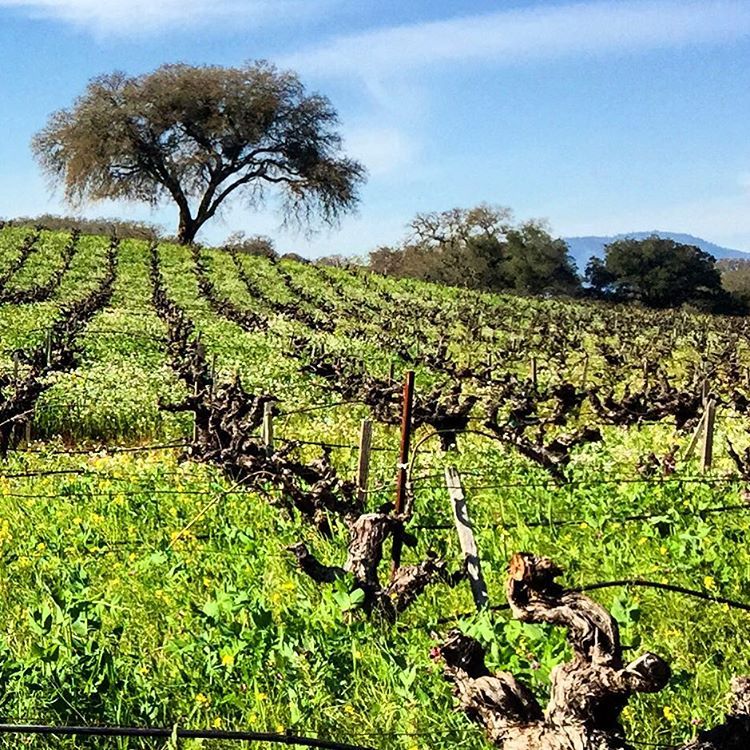
A February afternoon.
#winterlight #california #sonoma

Last throes.
#california #winterlight

A scream emanated from behind the conifer tree, its redwood base as wide as a Fiat. Rounding its bend, I found her kneeling on a carpet of pine needles; shaking, pointing, on her lips a frozen smile. A blondish fungus resembling a giant brain and bigger than a soccer ball was living on the foot of the tree, a creepy, fangless vampire. The cauliflower mushroom, its dense body like an enormous sea sponge balanced on the ledge of a showy bathtub, is an unusual and highly prized forest find. A foraging knife too small to liberate this mycelium monster, the mushroom was gently cut away with a hunting knife, leaving a bit of its stem in place to encourage its regrowth the following year. After four hours spent hiking through wet hills and valleys, the melody of the Pacific Ocean never out of earshot, our baskets were heavy with candy caps, yellow and golden chanterelles, and black trumpets; all cradled into cut pine boughs layered in our hampers.
It was the Sparassis crispa, however, for which I was already plotting. Weighing in at more than three pounds, the cauliflower mushroom would be supper for several evenings and dried to use in several more. Cutting the colossal globe into large pieces the size of pizza slices, its unusual aromas of pine, marzipan, and the mammalian musk of sweaty summer sex filled the kitchen. Cleaned of pine needles and dirt, several wedges were laid into a cast iron skillet slick with olive oil, and strewn with a handful of chopped garlic and cubes of pancetta. A brined pork loin, the last of the pig butchered the previous spring, was tucked into the pan’s center and decorated with the smaller candy cap mushrooms, their maple syrup sweetness a perfect foil to the gamey, oven roasted meat. While there was still wine remaining in the bottle, I doused the hot skillet with a yellowing Alsatian Weinbach Pinot Gris, sending up a cloud of fragrant aroma, whetting the appetite. The fronds of the cauliflower mushroom, their wavy edges evoking Manischewitz egg noodles, sizzled and browned and crisped, concentrating their dark, tellurian flavors of the winter woods.