From across the brightly lit dining
room, I smelled the unmistakable perfume of autumn. An elfin woman with closely
cropped hair danced between large tables, which were adorned quite simply with
squash and porcelain chargers. Without
pretense, she carried a shaver made from olive wood, a razor lodged in its
center, and an imperfectly shaped, baseball-sized knob of white truffle. The heady aromas of fecund dank earth, salt
and seaweed crusted coastline, forest floor littered with colorful rotting leaves,
and the corporeality of warm wet womanhood are all encapsulated in that gnarled
white orb. While unearthed by specially
trained hounds in many parts of Europe, the most sublime and aromatic white
truffle (trifola d'Alba Madonna or Tuber magnatum) is found in the hill
towns of Piedmont, tucked into the northwest corner of Italy, most famously in
the countryside around the cities of Alba and Asti.
Unlike the black truffle of
France, whose power is maintained throughout the gustatory experience, the
white truffle’s pungent aromas linger all too briefly on the palate; the subtle
flavors of a ghost vaguely recalled only when the jaw-dropping bill demands to
be settled.
An ectomycorrhizal fungus, white
truffles are found at the base of trees. Their spores are spread by fungivores, animals fortunate enough to eat fungi. White truffles can grown to 5 inches, weighing in at 500 grams, but are generally
much smaller. One of the
many species of the genus Tuber, these autumn-fruiting bodies are produced by the subterranean
Ascomycete fungus, an unlikely start for
what is widely regarded as the diamond of the kitchen, as truffles were tagged
by French gourmand Brillat-Savarin in the late 1700s.
A highly anticipated, proper Sunday
lunch awaited us in Monforte d’Alba, a small town built on a steep slope
reached by driving a località, one of the many tiny
back roads that wend their ways through hills and orchards and vineyards, and blessedly
free of the huge trucks which horrifyingly too often take up both sides of the
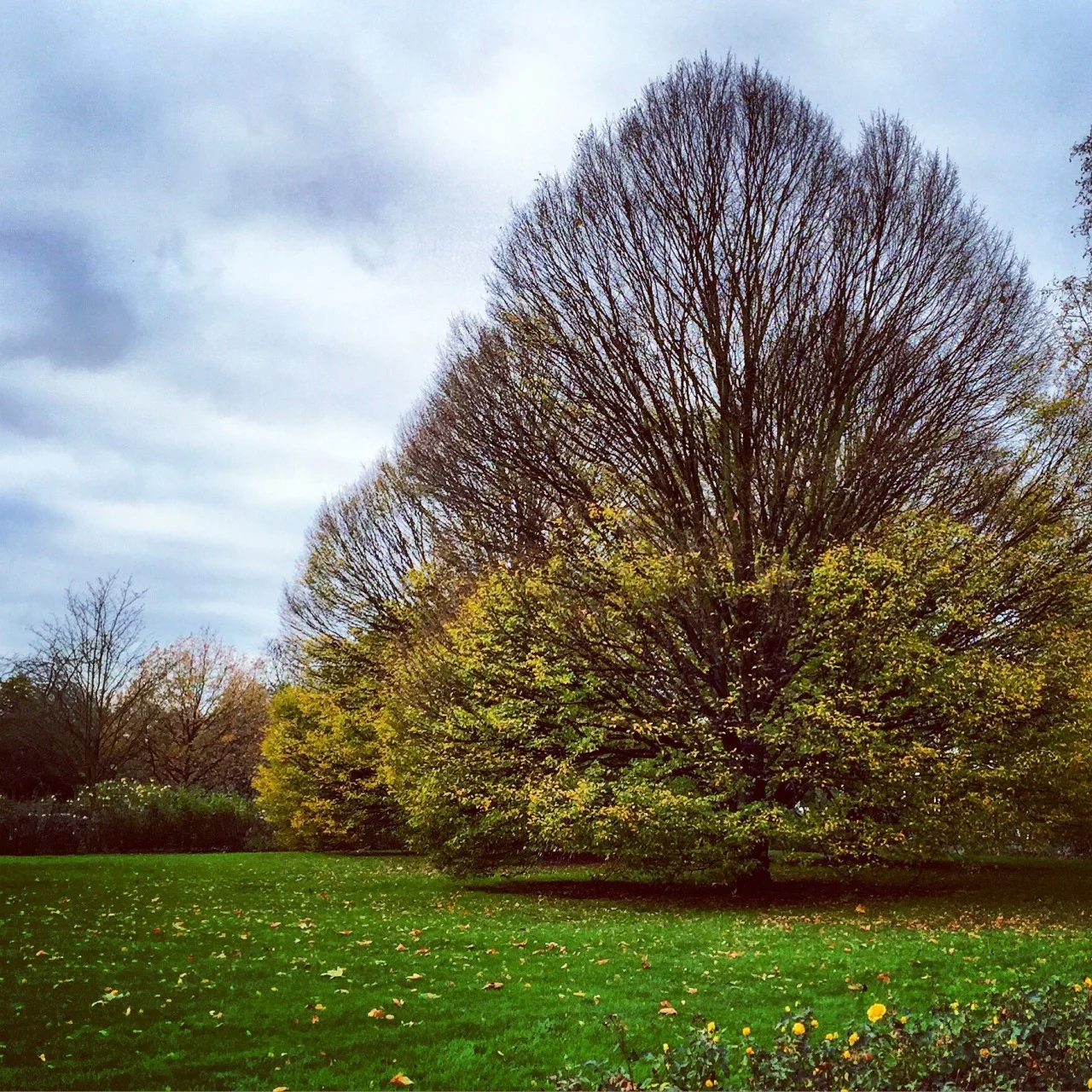
larger thoroughfares. The hazelnut
harvest long past, their tree hosts are now barren, melancholy soldiers lined
up in orderly attention, ready to salute the oncoming, tyrannical winter. The vines of Nebbiolo, their spindly arms
trained high towards the god of Rome, were now stripped of leaves, forlorn
against the gray, late autumn skies.
While hunting is allowed in
Piedmont on Wednesdays and Sundays, it is seldom I hear the blast of a shotgun
or glimpse a deer limp of life or a brace of birds decorating the open carriage
of a car. Rather, men in hunting vests
wielding shotguns congregate at the road’s edge, talking, sipping from
thermoses, away from wives and children, finding camaraderie in the forests
amid the blaze of other orange safety vests.
The Barolo was decanted, its
edges the color of ancient Piedmontese bricks.
The small restaurant’s proprietor is oddly reminiscent of Alice Waters and
while her menu is as every bit devoted to seasonality, it is not touted here,
but expected; their way of life. She suddenly
appeared next to me bearing truffle and shaver as a highly traditional first
course was placed on the table: a
slightly cooked quail’s egg nestled into a warm fonduta made from toma d’Elva, a cow’s milk cheese from a
neighboring town, with chopped porcini added for texture and depth. She anointed the egg and cream with mounds of finely
shaved truffle, its pale light brown flesh boasting a marbling to make even the
finest Carrara countertop envious.
Italian haute cuisine in my
childhood meant platters of Grandmother Turbina’s enormous stuffed shells, each
fat envelope an entire meal, its seam bursting open with an alchemistical
ricotta covered in a barely cooked, Modigliani-red tomato sauce, and studded
with fingers of spicy pork sausage. My
people arrived from towns further south in the boot, where rustic foods served
in hearty proportions prevailed. The
refinements of northern Italy’s Piedmont region are even further from that
southern Campania province than the miles between them might suggest.
A bowl of Agnolotti al Plin,
for which I had journeyed on this gray Sunday, was a study in Piedmontese
delicacy. Instead of heaping a spoonful
of filling onto a sheet of pasta, covering it with another layer, and cutting
and sealing the two sheaths (producing the beloved ravioli square of my youth),
the corner of each agnolotto is simply folded over the filling into either a
small square or half-moon shape.
Agnolotti al Plin (Plin means pinch
in a distant Piedmontese dialect), are closed between the thumb and forefinger,
sealing together the ends. Laboriously produced by hand, my tiny parcels were
stuffed with a transcendent mixture of rabbit, veal and pork, moistened with
butter, and buried under a mountain of white truffle. Seemingly simple, this dish epitomizes the
flavors of the region, elevating them to the holy.
Legend has it these little pasta purses
were named after their creator, Angelot (née Angiolino), who cooked for an
important Marquis. To celebrate the end
of one of Italy’s many sieges, this nobleman wanted a special dinner, but the
war had left the larder bare. His
industrious chef made a stuffing from leftover meats, and tucked it into dough
made from egg and flour. The ancient
spelling, still found today, is piat
d’angelot or angelotti.
A platter of bitter red and
green chicories appeared as the cheese cart was rolled tableside, laid with an
unfathomable collection of Piedmontese cheeses.
Relinquishing my ever-present need to control every situation, I asked
the proprietor to select a few of her favorite examples. We gorged on delicate, chalky goat cheeses;
gooey aged cow’s milk tasting of hay and mammalian; crumbly herbaceous sheep’s
milk cheese; and finally an aged blue with a wrinkled crust and off-putting
aroma that metamorphosed into a salty, savory palate. Offered with a bowl of Mostarda di frutta, an Italian condiment made from candied fruit
and mustard oil, this was a meal unto itself.
We emerged at dusk to a
gray-blue sky sketched with smoke from piles of pruned branches being burned on
nearby farms, their aroma scenting the hillsides, and mingling with the nebbia, the region’s notoriously heavy fog that situates itself across the
valleys, a widowed and wizened woman cloaked in thick, dark wool, wrapping her
arms around these fertile lands.